
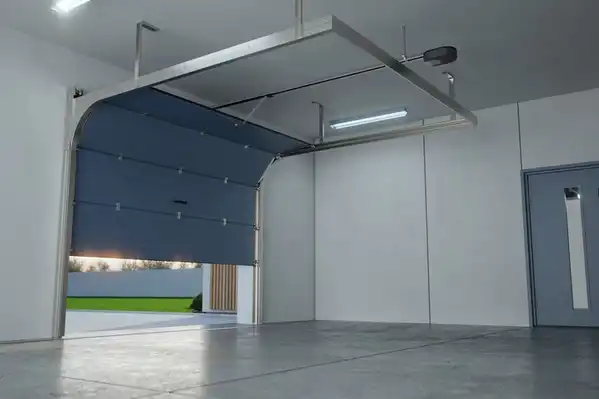
Precision Garage Door Service® experts explain how steel garage doors balance strength, energy efficiency, and design flexibility while meeting modern safety and wind-load standards.
|
Steel garage doors combine strength, modern engineering, and aesthetic flexibility with simple maintenance, affordability, and energy efficiency, making them one of the most popular options in the U.S.
Wondering whether steel doors are the right choice for your home? In this guide, you’ll find comparisons, technical advice, and cost benchmarks so you can make an informed decision with confidence.
Article contents
- The Pros and Cons of Steel Garage Doors
- Technical Specs That Drive Performance & Longevity
- Steel Garage Door Design and Finish Options
- Contact Precision Garage Door Service for Steel Garage Door Installation
- FAQs About Steel Garage Doors
The Pros and Cons of Steel Garage Doors
Many homeowners favor steel garage doors over wood or aluminum. Here are a few considerations that commonly influence the decision to install a steel garage door:
|
Pros |
Cons |
|
Durable and able to withstand harsh weather conditions |
Requires a finish to prevent rust when exposed to salt and moisture |
|
Customizable: Paint adheres easily to steel |
Not very energy efficient without added insulation |
|
Insulation increases energy efficiency |
Heavier than other materials, such as aluminum |
|
Cost-friendly compared to other materials, such as wood or glass |
May require additional support for installation |
|
Low maintenance |
Why homeowners choose steel garage doors
While steel garage doors may require additional considerations for weight and weather resistance, homeowners love them for their simplicity, adaptability, and longevity.
- Durability under stress: Steel garage doors resist warping, cracking, and insect damage better than wood, especially when properly protected (galvanized, powder-coated, or with a high-quality paint system).
- Value-per-performance: Compared to aluminum or wood, steel garage doors provide better structural integrity and longer life for less continuous upkeep.
- Design adaptability: Modern steel garage doors are available in carriage‑house, flush, full‑view, raised‑panel, and wood-look styles, with customizable windows, finishes, and textures.
- Energy & noise benefits: Multi-layer (insulated) steel garage doors significantly reduce heat transfer and dampen outside noise, improving comfort and lowering utility costs.
- Certified safety & assurance: Many steel garage doors are rated for wind loads (WINDCODE®, DP ratings), tested to UL or ASTM standards, and include long warranties.
Technical Specs That Drive Performance & Longevity
When considering a steel garage door, you’ll need to know the basics and how different options compare. We’ll cover materials, steel gauges, insulation, and weather ratings to help clarify your options.
Steel gauges, materials, and protective finishes
Residential steel garage doors typically come in 24‑gauge, 22‑gauge, or 20‑gauge steel. Lower-gauge steel is thicker, resists denting, and has more stiffness; however, lower-gauge steel has a higher upfront cost.
Additional steel garage door material options include:
- Aluminum-coated: Aluminum is naturally resistant to rust. Aluminum-coated steel doors are great for wet areas with lots of rain or snow.
- Cold-rolled: Cold-rolled steel is made at room temperature, which provides a smooth surface that allows versatile texture design.
- Hot-rolled: Processed in higher-than-normal temperatures, hot-rolled steel typically has an uneven surface. Although it’s a great option for creating textured surfaces, it’s not as malleable as cold-rolled steel.
- Stainless steel: Stainless steel is known for its resistance to rust and corrosion. As with aluminum-coated steel, it’s a good choice for those who live in wet areas.
- Galvanized steel: Layered with a sheet of zinc, galvanized steel protects against rust and corrosion. It’s one way to guard your steel door from damage without breaking the bank.
Tip: Consider a concealed-fastening system to hide screw heads and reduce potential points of corrosion or damage.
Insulation and layering
Steel garage doors provide excellent energy efficiency as long as they’re properly insulated. Common insulation materials include:
- Polyurethane foam: This injected, expanding foam delivers higher R-values for premium steel garage doors by filling cavities tightly and eliminating air gaps.
- Polystyrene panels: These panels are more rigid than expanding foam, but less effective at sealing thermal breaks.
R-values measure each garage door’s thermal resistance, or how well the door resists heat transfer. A higher R-value indicates better insulation. Below is a simple chart to help you compare the R-values of single, double, and triple insulation in steel garage doors:
|
Type |
Construction |
Typical R‑Value* |
Benefits / Trade‑offs |
|
Single-layer (non-insulated) |
One steel skin with backing or hollow core |
~ R‑0 |
Lowest cost; poor heat retention |
|
Double-layer |
Steel + insulation core (or foam board) + interior layer |
~ R‑6 to R‑10 |
Good insulation value for many climates |
|
Triple-layer |
Outer steel + foam core + inner steel |
~ R‑12 to R‑18+ |
Best thermal efficiency, rigidity, noise control |
*Always verify tested R-values. Don’t rely solely on marketing claims for steel garage doors.
Wind and weather load ratings
If you live in a high-wind or coastal zone, your steel garage door will need to withstand the long-term effects of your climate.
- Choose WINDCODE®-certified steel garage doors or those approved under your local code.
- Look for Design Pressure (DP) ratings like +90, +120, +150 PSF, depending on location.
- Structural standards such as ASTM or UL ensure your steel garage doors meet performance benchmarks.
Steel Garage Door Design and Finish Options
Steel doors are praised for their ability to be customized. Paints, textures, and finishes allow homeowners to customize steel garage doors to match their homes.
- Paint: The smooth surface of steel makes it easier to paint than wood and other naturally textured materials.
- Textures: Steel can be hammered, embossed, or brushed to create unique textures.
- Finishes: Treated steel resists rust and staining. Finish techniques include galvanizing or applying a powder-coated finish.
View our garage door designer to explore the possibilities!
Contact Precision Garage Door Service for Steel Garage Door Installation

Choosing the right steel garage door for your home requires balancing performance, style, and future needs. Whether you're upgrading for comfort, curb appeal, or resale, pay attention to:
- R-value and insulation type
- Steel gauge and wind rating
- Local climate and building code requirements
If you’re not sure where to start or are feeling overwhelmed, simply contact your local Precision Garage Door Service team. Our highly trained service professionals can help you select the right steel garage door for your location and goals.
Whether you’re in the market for a brand new garage door or need to update your current setup, our experts can help. All Precision Garage Door services are backed by the Neighborly Done Right Promise® to ensure your satisfaction throughout the process. Request an appointment to learn more!
Disclaimer
This article is intended for general guidance only and is not applicable to every situation. You are responsible for determining the proper course of action for your property and situation. Precision Garage Door Service is not responsible for any damages that occur as a result of advice and/or guidance derived from its blog content. Some services offered by Precision Garage Door Service may vary by location. Contact your local Precision Garage Door Service franchise for more information.
FAQs About Steel Garage Doors
As a garage door service, repair, and installation leader renowned for integrity and dependability, all independently owned and operated Precision Garage Door Service locations are committed to safety, quality workmanship, and your satisfaction. This commitment includes using our expertise and years of experience to answer your questions. Here are answers to some of the most frequently asked questions about steel garage doors.